Sun, fun, gatherings, exams, meetings… The iscience group got together for some semester-end activities before taking a well-deserved summer break. 🐬
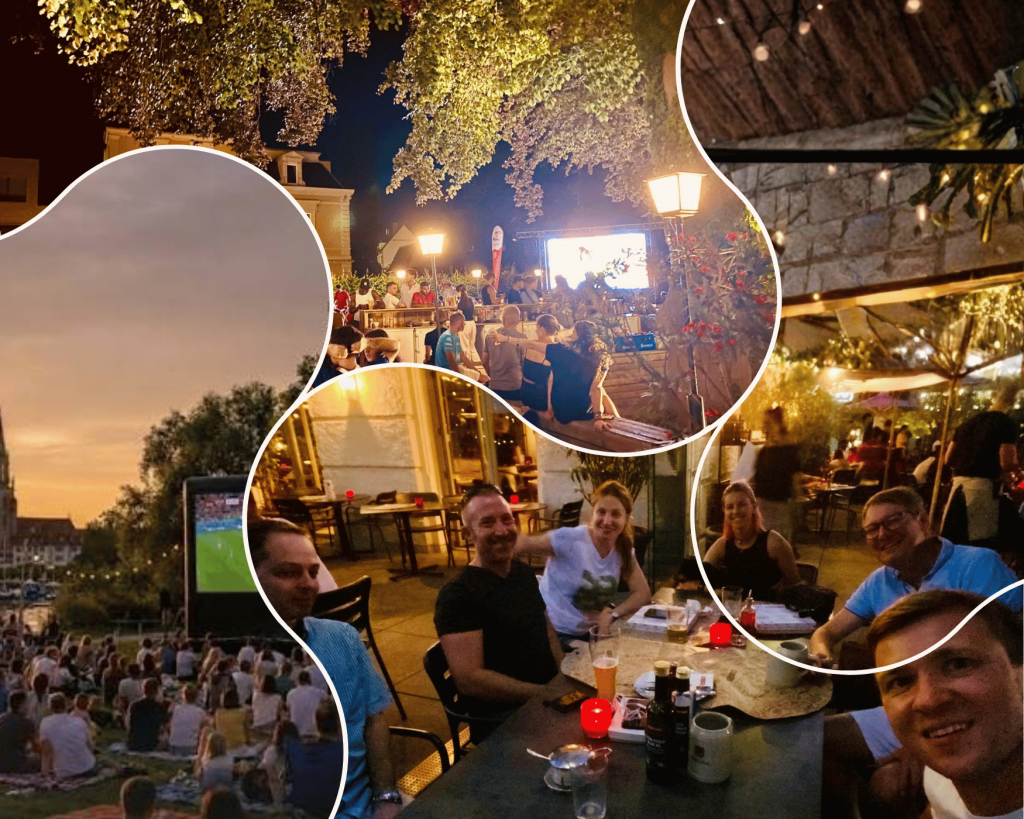
During the time of the 2026 World Cup, we got to go out with some former and new colleagues for a nice meal. Incidentally, we chose a place where the game was shown right next door so we got to enjoy front-row seating!
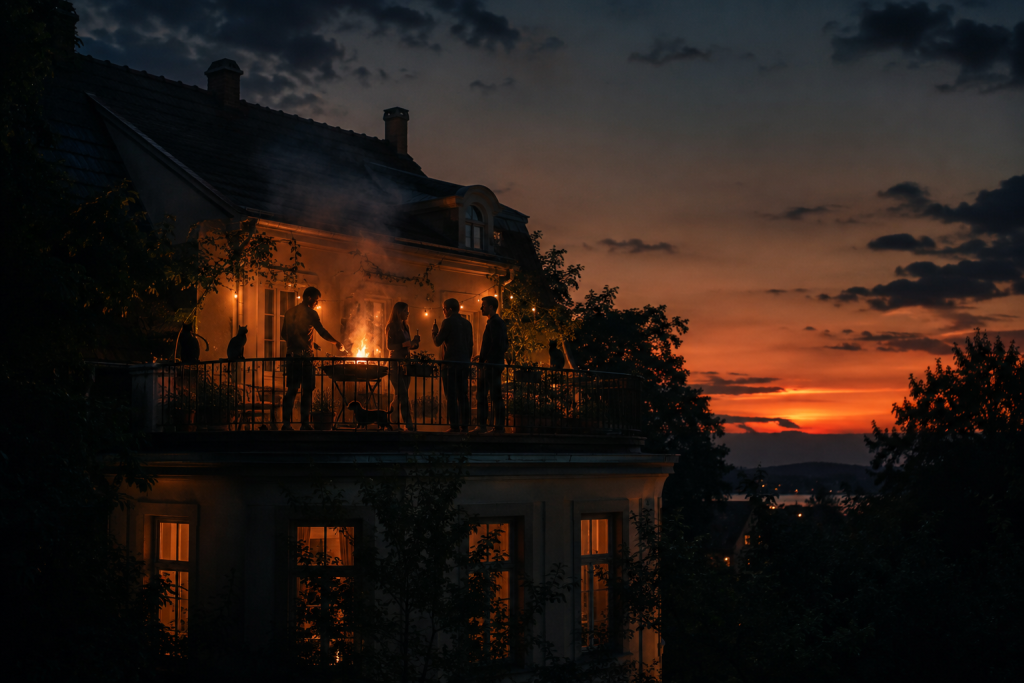
After the end of the semester, we also got together for the traditional BBQ at Ulf’s house to celebrate another successful semester of research and teaching. 🍾 Unfortunately, we were too busy talking amongst the group, having a good time and enjoying the food that everyone brought to take any photos of the evening… So here is an AI-generated impression of what the gathering could have looked like from the outside, including feline and canine iscience companions!
Image generated by ChatGPT.
We hope everyone else has also had a great summer and will start into the new academic year recharged and full of drive and motivation! 🌴
The “Open Science Spotlight” is a fairly recent online platform by the University of Konstanz to showcase work and projects that use open scientific practices.
In this section, a feature on dropR was recently published, a software tool for dropout analysis in (online) studies.📉
We are pleased that this project, which embraces several Open Science practices at once, is gaining more visibility through this feature. Because dropR is not only available as a free software package for R, but also as a freely accessible web app. In addition, an Open Access article on dropout analysis with dropR was published last year in Behavior Research Methods.
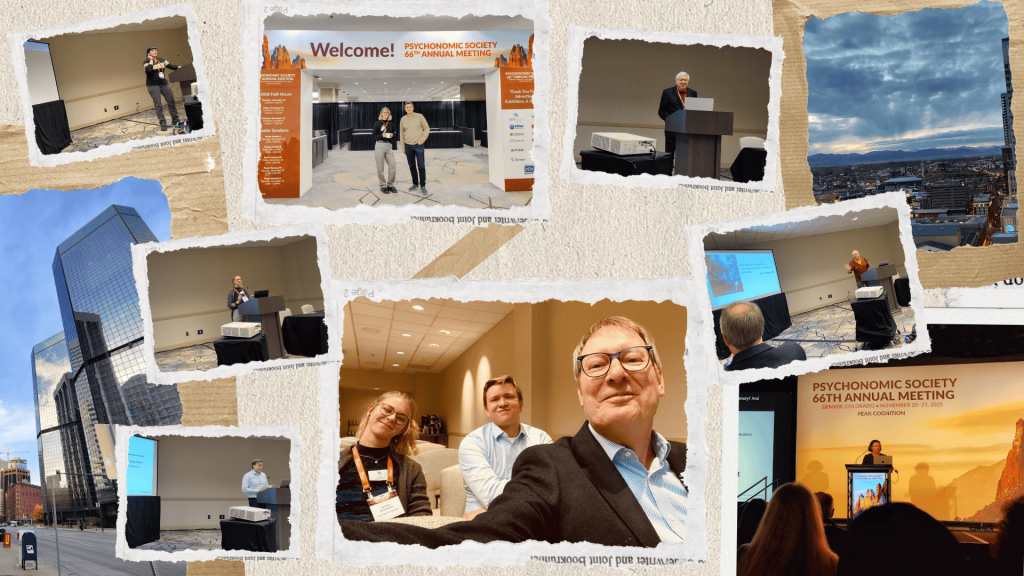
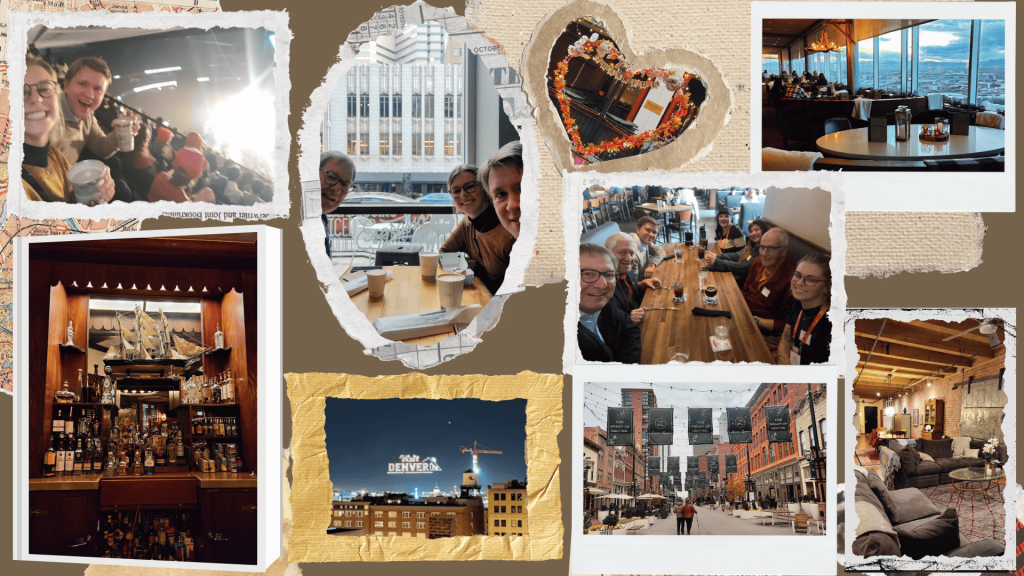
This year we got to hold a symposium on Internet-based methods organized by Ulf-Dietrich Reips at the meeting of the Society for Computation in Psychology (SCiP) in Denver, Colorado. Friends and colleagues joined us in our session to share their insights on data collection, study creation and general methodology.🛠️
Erin Buchanan (top left), Chris Wolfe (top right), Anni Tave Overlander (middle left), Yury Shevchenko (bottom left) and Ulf (foreground) were speakers at the symposium. Prof. emeritus Gary McClelland performed as a brilliant and witty discussant of all talks at the end to tie everything together. We all went to a joint lunch to discuss our findings, current and future projects, and how to pronounce “Likert”.
We are happy and grateful to have been able to attend the satellite conferences SCiP and SJDM (Society for Judgment and Decision Making) as well as the larger Meeting of the Psychonomic Society. #psynom25 We got to attend many thought-provoking talks and met inspiring researchers. ✨
Apart from the conferences, we had to do some extra-curriculars as well, of course. Yury and Anni got to see a wrestling show at the Ball Arena, Ulf went hiking in the Rockies, and the whole team was invited by Gary and his wife Lou to a lovely soirée they organized for researcher friends in a downtown Denver loft. 🍷
The annual conferences typically take place in the week leading up to Thanksgiving, so we’d like to take this opportunity to give thanks to everyone who is involved in our research and extra-curriculars. We had a great time at SCiP, Psychonomics and SJDM and very much look forward to seeing known and new faces at next years’ events! 🍾⛵
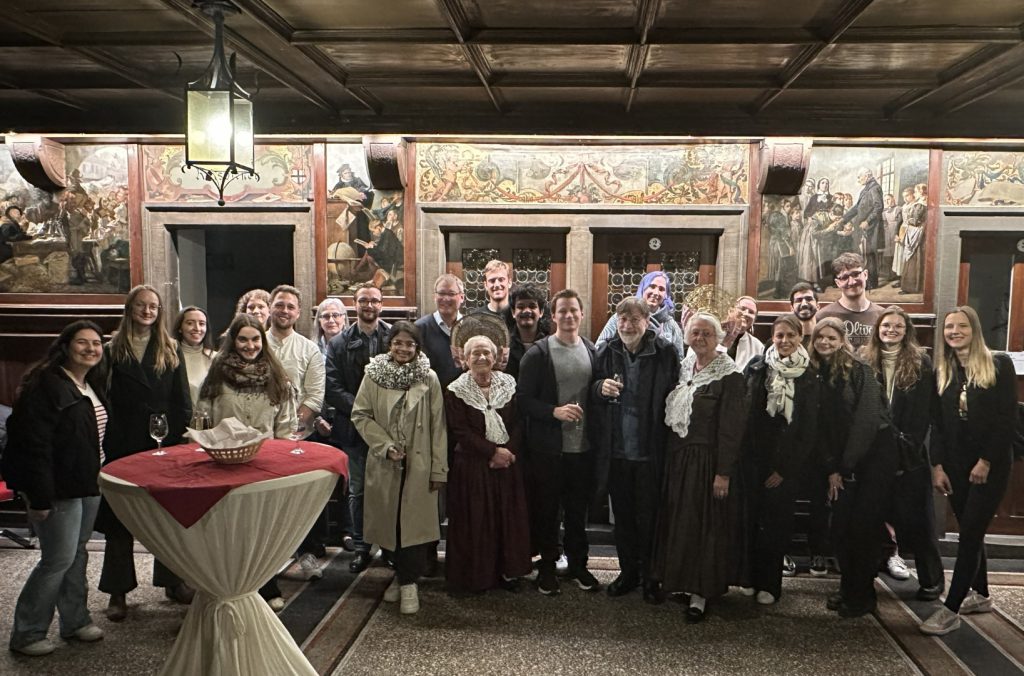
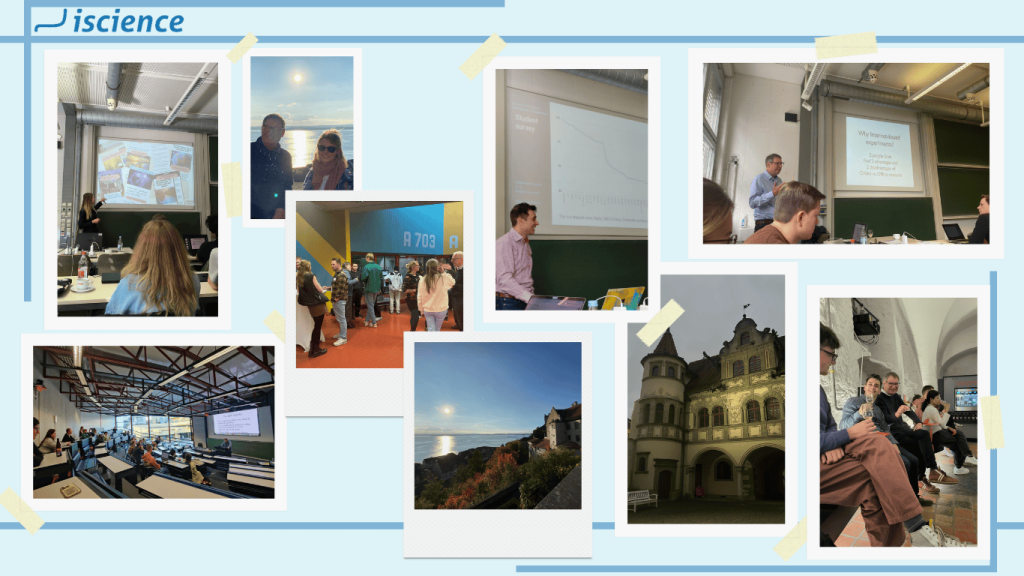
The Konstanz biannual Summer School on Internet-based Data Collection has now succesfully completed its 6th iteration! 😍 Our team was happy to welcome about fourty students from Bachelor to postdoctoral levels from Konstanz and many other universities as well as different countries from inside and outside of Europe. Two participants came from as far as California!
Like in the previous years, our instructors gave their all to provide participants with essentials, lessons and updates on ever-changing trends from 30 years of iScience and cutting-edge insights from current research. Our orga team made sure that everything ran smoothly behind the scences. We wish to thank Michael Birnbaum (California) and Mario Callegaro (UK) for coming in as international instructors and experts. 💐 From Konstanz, Ulf-Dietrich Reips and Yury Shevchenko shared their experience and expertise in online and mobile research with a cameo session from Anni Tave Overlander. 💻📱The international office’s director Johannes Dingler gave a wonderful introduction about the university.
We also greatly appreciate our secretary Silke Bengel for her organizational efforts and our student assistants Anne Landenberger, Bruce Putz, Deniz Ertan, and Lea Spajic for making sure people knew where to go, how to go there, and always had a coffee to do it! They say it takes a village – in this case it takes a great team. 🫰🏾
Lastly, a huge thanks goes to our participants for all their enthusiasm, great questions and thirst for knowledge. We had a great time last week and we hope everyone else did, too! You can find more impressions on Instagram @isciencegroup , Facebook etc. and below here as well!